By The Keller Creative Team
Yes, print marketing still works for local businesses, as long as you choose the right pieces and connect them to something you can measure. The print marketing ideas that earn their keep in East Tennessee today are the ones with a clear job: direct mail that drives a call, signage that catches drive-by traffic, packaging that makes a small brand feel established. In our work with Knoxville businesses, we've seen print do its best work when it runs alongside digital, not instead of it. This guide covers what still pulls, what to expect, and how to make the two channels feed each other.
Key takeaways
- Direct mail and Every Door Direct Mail (EDDM, a USPS program that lets you mail a whole postal route without buying a mailing list) still generate calls and store visits, especially for service and retail businesses.
- Branded collateral like rack cards, folders, and one-page sell sheets earns its keep in sales conversations and at the counter, where a screen can't always reach.
- Signage and packaging act as quiet salespeople and cost far less per impression than most paid media over time.
- Print works best paired with digital: add a QR code, a tracking number, or a landing page so you can see what each piece produced.
- Expect print to support your funnel, not replace it. Plan for repetition and a realistic window before you judge results.
Why print still works when everything is digital
Inboxes are crowded and ad costs keep climbing, so a well-made piece in someone's hands stands out simply because fewer businesses bother with it. Print is tactile and hard to skip. A postcard on the counter gets seen every time someone walks by, and a yard sign gets read by every passing car.
There's also a trust factor. A crisp brochure or a clean sign signals that a business is real and staying put, which matters when a local buyer is deciding between you and a name they don't recognize. Print won't replace your website or your ads, and we'd never pitch it that way. It fills gaps digital leaves open and reinforces the brand people already see online. Good creative and brand design is the difference between a piece that looks homemade and one that makes you the established choice.
Direct mail and EDDM that still pull leads
Direct mail is far from dead. Of all the print we run, it's the most reliable at producing phone calls and visits, because you can target a neighborhood, a ZIP code, or a household type, and a physical offer is easy to act on.
When direct mail makes sense
Direct mail tends to pay off for businesses with a local service area and a repeat-purchase or high-value customer: home services, healthcare and dental, restaurants, real estate, and seasonal trades. If your customers live within a 10 to 20 minute drive, mail can reach them affordably. Every Door Direct Mail is the budget-friendly route here, since you mail an entire carrier route without renting a list, and the postage runs well under a first-class stamp.
What actually gets a response
A few things separate mail that works from mail that lands in the recycling:
- One clear offer, not five. Give people a single reason to act and a deadline.
- A real headline that names the reader's problem or neighborhood, so it feels local instead of mass-produced.
- A response path you can track: a dedicated phone number, a QR code, or a simple landing page URL.
- Repetition. One drop rarely does it. Most campaigns we run mail the same area two to four times over a few months, because familiarity is what moves response rates.
Plan on testing and a realistic window. A typical direct mail response for a solid local offer often lands in the low single digits of a percent, which can be plenty profitable when a customer is worth a few hundred dollars or more. We'd rather set that expectation honestly than promise you a flood.
Branded collateral and event materials that earn their keep
The everyday printed pieces that support sales rarely get much attention. They aren't flashy, but they carry weight where deals actually happen, in person and across the counter.
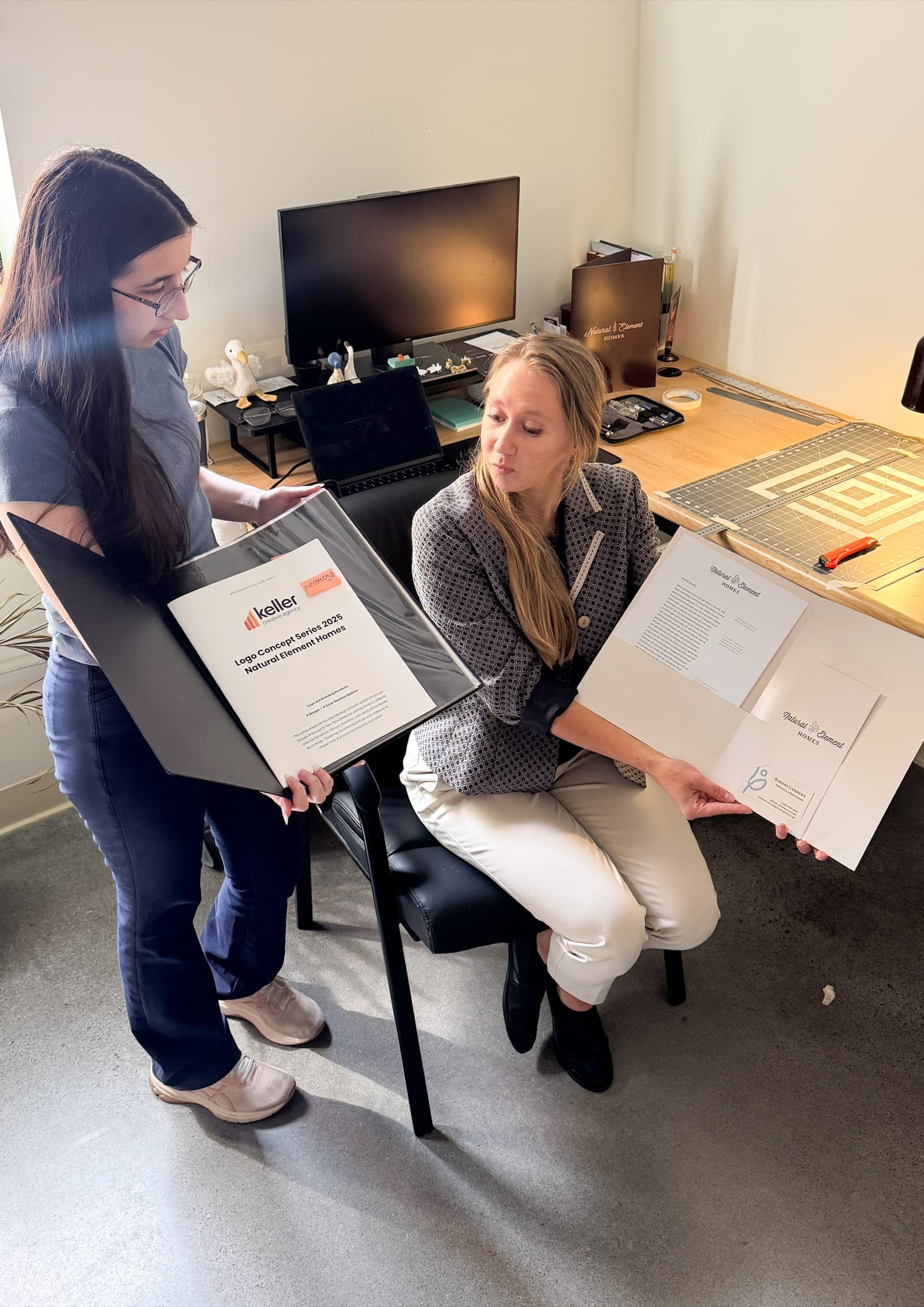
A clean folder with a one-page sell sheet or a short case study gives your team something to hand over and leave behind at the moment someone is deciding to buy. Rack cards and brochures do quiet work in waiting rooms and at front desks. At trade shows, festivals, and community events around Knoxville, print is still the currency: banners, table throws, business cards, and takeaways that let someone remember you after the crowd clears.
The tradeoff to watch is waste. Order too much of a piece that changes often, and you'll toss half of it. We usually recommend printing evergreen items (business cards, folders, core brochures) in larger runs for the better per-unit price, and keeping anything with dates or promotions in short digital-press runs you can reprint fast. Our commercial printing work is built around that kind of practical planning, matching the print method to how long the piece needs to last.
Signage and packaging: your quiet salespeople
Signage and packaging keep selling long after you've paid for them. They're the best per-impression value in marketing, and most local businesses underuse both.
Signage
A storefront sign, a window graphic, a vehicle wrap, or a jobsite yard sign works every hour of every day with no recurring cost after install. Wrapped trucks turn every drive across town into an ad, and a yard sign at a finished project tells the whole street who did the work. For retail and restaurants, window and A-frame signage catches foot and car traffic that no online ad reaches at that moment. Our post on whether digital ads drive foot traffic walks through how physical presence and online demand connect.
Packaging
For any business that hands a product to a customer, packaging is marketing you already pay to produce, so make it work. A branded bag, box, sticker, or insert turns a sale into an impression others see. For a young brand, thoughtful packaging is one of the fastest ways to look bigger than your size, the same way a strong logo does. We get into that idea in brand identity is more than a logo.
How to pair print with digital so you can measure it
The old knock on print was that you couldn't track it. That's no longer true, and closing the loop between paper and screen is the single biggest upgrade you can make.
Here's what we build into print for local clients:
- QR codes that point to a specific landing page, not your homepage, so the visit is traceable.
- Dedicated phone numbers or a unique promo code per campaign, so calls and redemptions map back to the piece.
- A matching offer online and on paper, so someone who sees the mailer and later searches for you finds the same deal.
- Retargeting the traffic a mailer or sign sends to your site, using digital advertising to stay in front of people who showed interest.
When print and digital share one plan and one set of numbers, you stop guessing. You can see that the EDDM drop lifted calls, or that the event banner drove a spike in branded searches. That's the same reporting discipline we bring to every channel, which we explain in how we report real marketing ROI.
Ready to grow your business?
If you're weighing which print pieces are worth it and how to connect them to what you already do online, we'd love to help. When you're ready to book a free strategy session with Keller Creative, we'll map out the print and digital mix that fits your goals, your area, and your budget, with one plan and one set of numbers everyone can read.
About the author
The strategists, designers, and producers at Keller Creative, a full-service marketing, advertising, and production agency in Knoxville, Tennessee. We help East Tennessee businesses grow with work we can measure.
Related Services