By The Keller Creative Team
Good product photography is worth the investment because it directly shapes whether someone trusts your product enough to buy it. Clean, honest, well-lit photos tend to lift conversion, cut returns, and make every ad, listing, and social post work harder for the same spend. Online, a photo is the closest thing a shopper gets to holding the item, so its quality often decides the sale before a single word is read. For most businesses selling a physical product around Knoxville, strong photos pay for themselves faster than almost any other creative line item.
Key takeaways
- Product photography is the main thing a shopper judges before buying, so image quality has an outsized effect on conversion and trust.
- Professional photos usually reduce returns and support questions, because clear images set accurate expectations about size, color, and detail.
- DIY phone photos can work for early-stage testing, but they hit a ceiling fast once you need consistency across a full catalog.
- A professional shoot delivers more than pretty pictures: consistent lighting, correct color, multiple angles, and files sized for web, ads, social, and print.
- The same set of images earns its keep across your website, paid ads, social feeds, and printed materials, which spreads the cost across every channel.
Why photo quality decides the sale
When someone can't touch your product, they judge it almost entirely on how it looks in a photo. A dark, blurry, or cluttered shot reads as "small operation, proceed with caution," even when the product itself is excellent. Sharp, honest photos read as "this company has it together."
That first impression carries real weight. In our work with Knoxville businesses, we've seen product pages with weak photos struggle to convert traffic that was expensive to earn. You can pay for the click and still lose the sale on the image, so photography improves the return on everything upstream of it.
There's a quieter benefit too. Accurate photos set correct expectations, which cuts down on returns and "this isn't what I thought" messages. Show the true color, the real scale, and the finish up close, and fewer people are surprised when the box arrives.
DIY vs professional product photography
DIY has a real place. A phone camera, a window, and a $30 sweep of white paper can get a new business to its first sales while budget is tight. If you're testing whether a product sells at all, don't wait for a full shoot to find out.
The ceiling shows up fast, though. Phone photos are hard to keep consistent across dozens of items, colors drift shot to shot, and shadows fight you the moment you add anything reflective. What looks fine on one product looks scattered across a whole catalog, and that inconsistency is what makes a store feel less trustworthy.
When DIY is good enough
- You have a handful of simple, non-reflective products and a decent window.
- You're validating demand before committing real money.
- Your images are placeholders you plan to replace once sales justify it.
When it's time to hire a pro
- Your catalog is large enough that consistency matters and DIY can't hold it.
- You sell reflective, transparent, or detail-heavy items that lighting makes or breaks.
- Photos will run in paid ads or print, where flaws get magnified and expensive.
- Your brand competes on quality, and the pictures need to say so.
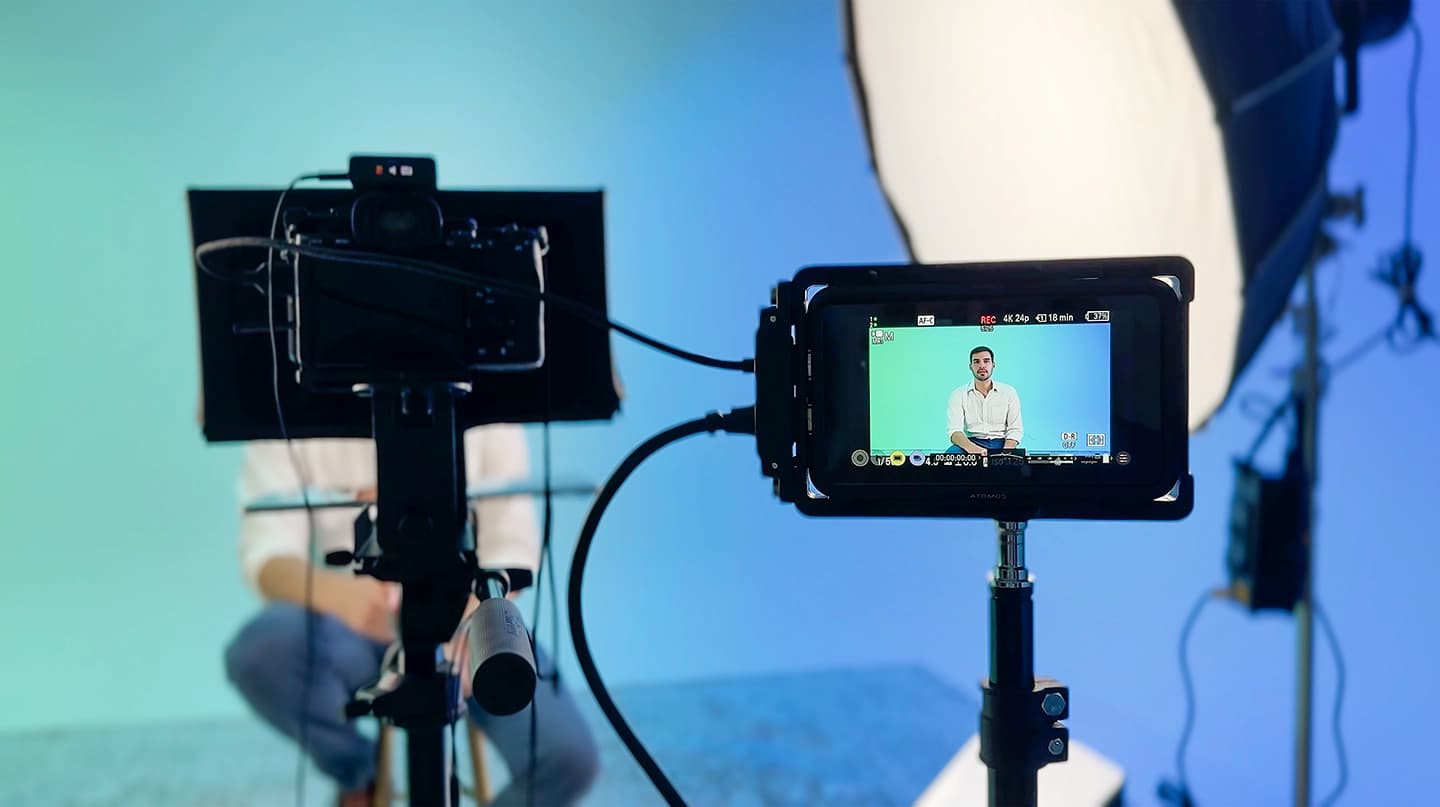
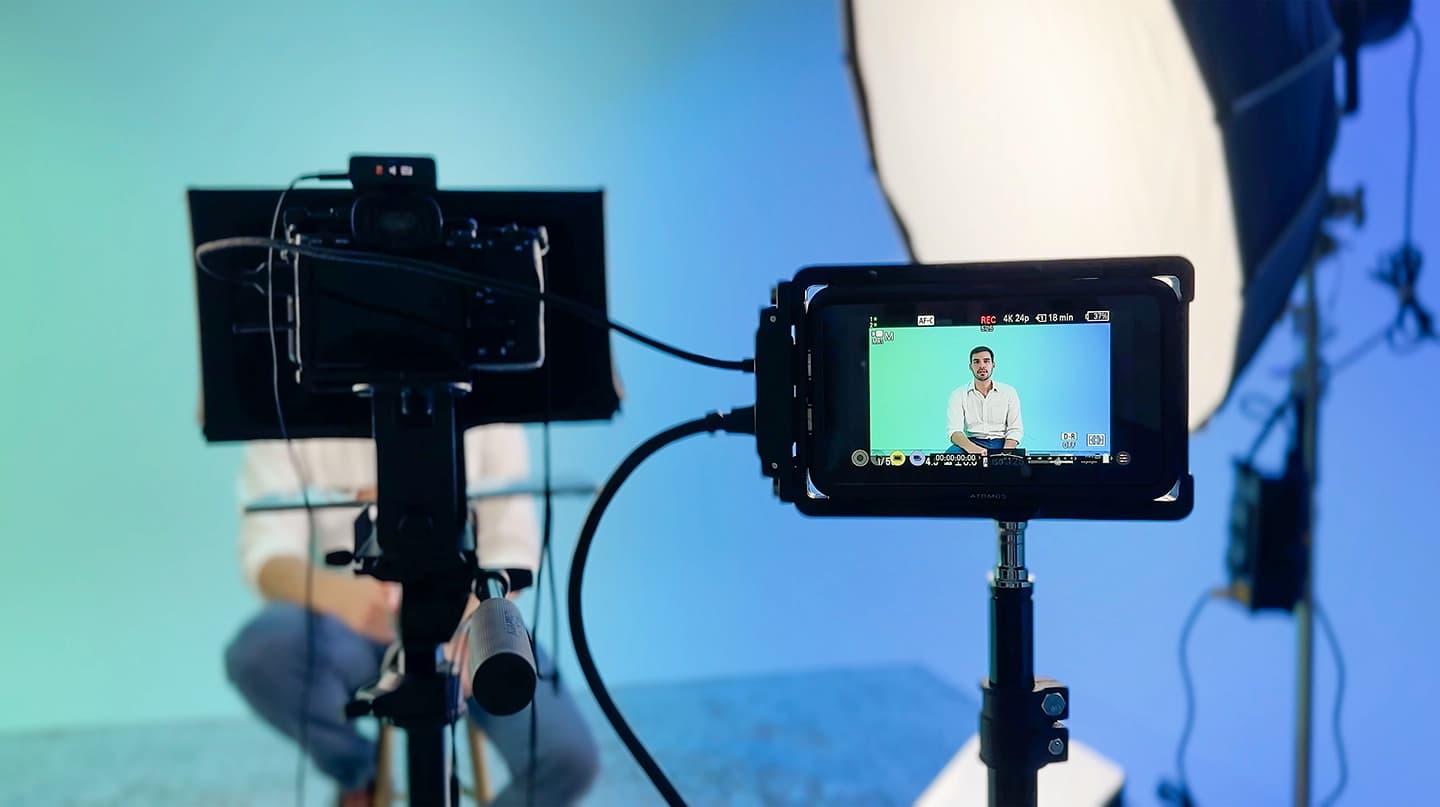
A good rule of thumb: once your photos are limiting sales rather than just showing products, the shoot pays for itself. Our video and photo production team handles that jump from "good enough" to catalog-grade, and we're happy to tell you honestly when you're not there yet.
What a professional product shoot actually delivers
The photo is the visible part. The value is in everything that makes it repeatable and usable.
- Controlled, consistent lighting. A pro lights each item so the whole set looks like it belongs together, which is what makes a catalog feel cohesive instead of pieced-together.
- Accurate color. Properly managed color means the blue on screen matches the blue in the box, and it stays true from your website to a printed flyer.
- Multiple angles and details. Front, back, side, and close-ups on texture, stitching, or a control panel answer the questions that otherwise become support emails.
- Clean cutouts and lifestyle context. A crisp shot on pure white works for listings and ads, while a styled "in use" shot helps people picture the product in their own life.
- Files built for each channel. You get images sized and formatted for your website, social platforms, ad specs, and high-resolution print, not one giant file you have to wrestle with later.
That last point matters more than people expect. A shot that looks great on your website can fall apart when it's blown up for a trade-show banner, so plan for print resolution from the start. Getting all of it in one session is far cheaper than reshooting later.
Where your product photos earn their keep
The reason photography ranks so high on our value list is simple: you shoot once and use the images everywhere.
- Your website. Product and category pages live or die on their images, and clean photos are one of the most reliable ways to help a site turn visitors into buyers. If your pages get traffic but few sales, weak imagery is a common culprit, which we get into in why your website gets no leads. A capable web development setup then makes those images load fast and look sharp on phones.
- Paid ads. In digital advertising, the image is usually the single biggest factor in whether an ad gets clicked. Strong product shots lower your cost per click and give you variations to test.
- Social media. Consistent, scroll-stopping photos are the backbone of a real social media presence, and they keep your feed looking like one brand instead of a grab bag.
- Print. Catalogs, mailers, packaging, and signage all need high-resolution files, and our commercial printing work depends on images captured at the right quality from the start.
Because those channels share the same library, the true cost of a shoot is spread across all of them. A single strong image can run on your homepage, in a Facebook ad, on Instagram, and on a printed flyer in the same month.
What to expect from the process and budget
A typical product shoot runs in a few clear stages: a short planning call to lock the shot list and look, the shoot itself, then editing and delivery of final files. For a modest catalog, that's often a single day of shooting plus editing time.
Budgets vary widely with scope. The honest driver of cost is the number of products, the number of angles per product, and how styled the images need to be. We scope every shoot around what your channels actually require, so you're not paying for lifestyle setups you'll never post.
Plan photography as part of your broader look, not a one-off. Cohesive imagery is a big piece of a consistent brand, and it works best when it lines up with the rest of your identity, from your logo to your packaging. One team, one plan, one set of numbers everyone can read.
Ready to grow your business?
If your product deserves better than what your current photos are showing, book a free strategy session with Keller Creative. We'll plan a shoot that fits your catalog, your channels, and your budget across East Tennessee, then sort out which images will do the most for your sales.
About the author
The strategists, designers, and producers at Keller Creative, a full-service marketing, advertising, and production agency in Knoxville, Tennessee. We help East Tennessee businesses grow with work we can measure.
Related Services